 Know Thy Body
Know your phlegm
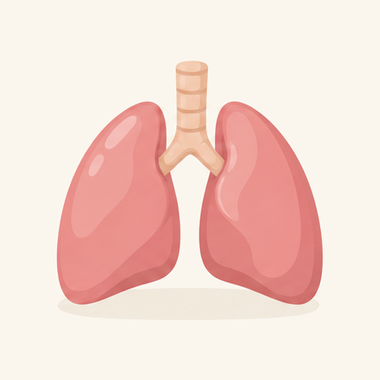
Your windpipe and lungs make mucus nonstop, quietly sweeping it up to your throat to be swallowed. When you’re sick, it turns thicker and heavier, so you cough it up as phlegm.
- Proper name
- Sputum
- From
- The windpipe and bronchi
- In short
- Yellow or green doesn’t mean you need antibiotics
Which one looks like what you coughed up?Tap one to see what it means
See all 9 readings
-
Clear and thinNormal
Healthy airway mucus is clear. Tiny hairs (cilia) sweep most of it up to your throat where you swallow it without noticing, so you rarely cough it up.
Nothing to worry about. If there’s more than usual or you keep clearing your throat, check section 04 below for common causes.
-
White and thickCommon with a cold
Thicker, white phlegm usually means your body is fighting a viral infection such as a cold. The white color and thickness come from immune cells at work.
Get some rest. Most coughs clear up in 3–4 weeks; if you’re still coughing past 3 weeks, see a doctor.
-
YellowCommon with colds and chest infections
Yellow or green phlegm is common during a chest infection. When airways are inflamed, white blood cells move in, turning mucus yellow and thicker.
Color alone doesn’t mean you need antibiotics. Most chest infections start improving in 7–10 days, though coughing and phlegm can linger up to 3 weeks.
-
GreenCommon · doesn’t mean bacterial
The green tint comes from a greenish enzyme released by white blood cells: the greener the phlegm, the more white blood cells are present. Viral infections turn phlegm green too.
Don’t ask for antibiotics just because of the color. Watch the timeline and other symptoms: see a doctor if it lasts over 3 weeks, or if you have a persistent high fever or trouble breathing.
-
BrownCommon with smoking or smoke
Smoking, or breathing in smoke, soot, or air pollution, can turn phlegm brown. Sometimes it comes from an infection too.
Cut back on smoking and avoid smoke or dust. If it keeps happening or your cough lasts more than 3 weeks, see a doctor.
-
BlackUsually inhaled · sometimes serious
Most often it’s from inhaling coal dust, heavy smoke, or soot. Rarely, it can be a sign of a serious fungal infection.
If you can’t trace it to dust or smoke, or if your immune system is weakened (for example, during chemotherapy), see a doctor urgently.
-
Rust-coloredSee a doctor urgently
Rusty phlegm is classically linked with pneumococcal pneumonia, though doctors can’t tell whether it’s pneumonia from color alone.
See a doctor urgently, especially if you also have a fever, chest pain, or shortness of breath.
-
Streaked with bloodContact a doctor today
A few red specks or streaks in your phlegm. Common causes are hard coughing or a chest infection, though it can also come from conditions like tuberculosis or bronchiectasis that need checking.
Contact a doctor the same day. If you’re coughing up more than a few specks or streaks, or also feel short of breath or have chest pain, go to the ER now.
-
Pink and frothyShort of breath · ER now
Pink, foamy phlegm paired with sudden, severe trouble breathing can be acute pulmonary edema: fluid flooding the air sacs of the lungs, often because the heart suddenly isn’t pumping well enough (acute left heart failure).
Call an ambulance (911 in the US and Canada, 999 in the UK, 112 in the EU) or go to the ER now.
Color is only one clue. How long you’ve been coughing, whether you have a fever, and how your breathing feels matter more.
When to see a doctor
- A cough lasting more than 3 weeks
- Blood in your phlegm, even just a few red specks or streaks
- A cough that’s severe or getting worse, trouble breathing, chest pain, or feeling very unwell
- A fever lasting more than 5 days, or a temperature reaching 104°F (40°C)
- Unexplained weight loss, or a painful, swollen lump on one side of your neck
- Foul-smelling phlegm
- Coughing up lots of phlegm every day, or repeated bouts of bronchitis
- A cough if your immune system is weakened (for example, from chemotherapy or diabetes)
Go to the ER now: coughing up more than a few specks or streaks of blood; coughing up blood along with shortness of breath, a fast heartbeat, or pain in your chest or upper back; or sudden, severe shortness of breath with pink, frothy phlegm (which can signal fluid in the lungs from acute heart failure).
See a doctor urgently: contact a doctor the same day if you have blood specks or streaks in your phlegm. Especially if you’re 40 or older with no clear cause, unexplained blood in phlegm typically calls for an urgent specialist referral (many guidelines recommend evaluation within 2 weeks for suspected lung cancer).
If you’re 40 or older and have ever smoked, an unexplained cough, fatigue, shortness of breath, chest pain, or weight loss is also worth getting a chest X-ray promptly.
How it’s made
- NonstopThe windpipe and bronchi make mucusGlands and mucus-making cells in the airway lining steadily lay down a thin coat.
- Every breathIt traps what you breathe inDust, bacteria, and viruses stick to the mucus, where germ-fighting molecules and antibodies tackle them.
- 12–15 beats/secCilia sweep it upwardTiny hair-like cilia beat nonstop like a conveyor belt, pushing mucus up toward your throat. In the windpipe, it moves about 0.2–0.4 inches (5–11 mm) a minute, slowing down a bit as you age.
- ~1 fl oz/dayAt the throat, you swallow itRoughly 1 fl oz (30 ml) a day goes down without you noticing. When you’re sick, mucus gets thicker and builds up faster than cilia can clear it, so you cough it out as phlegm.
How much in a day? Nobody has measured it with total precision. Researchers estimate anywhere from a third of an ounce to 1.7 fl oz (10–50 ml) a day, with about 1 fl oz (30 ml) often cited. During a chronic bronchitis flare, it can reach up to 7 fl oz (200 ml) a day.
Are phlegm and snot the same thing? Not quite. Phlegm mainly comes from your windpipe and lungs, though when you cough it out it often mixes with saliva and nasal mucus dripping down from the back of your nose.
What’s in it
The other 3–4% decides how sticky it is and how well it fights germs. Coughed-up phlegm also carries white blood cells, shed airway cells, and bacteria.
- Mucins
Mostly two types, MUC5AC and MUC5B, which turn watery secretions into a sticky gel. - Antimicrobials
Molecules such as defensins and lysozyme that attack bacteria directly. - Antibodies
Mainly IgA, the airway lining’s first immune defense. - Salts, lipids, and other proteins
Electrolytes and small amounts of fat that keep the mucus layer working properly.
Do yellow and green phlegm need antibiotics?
Yellow or green phlegm = bacterial infection
In a German study of 241 adults with an acute cough and no chronic lung disease, only 28 (about 12%) actually had a bacterial infection. Trying to guess from phlegm color misclassified more than half of the patients who didn’t have one. In otherwise healthy lungs, phlegm color isn’t a reason to take antibiotics.
Another European study followed 3,402 adults with acute coughs: people coughing up yellow or green phlegm were prescribed antibiotics much more often, yet they didn’t recover any faster than those who didn’t take them. Acute bronchitis (a chest cold) is usually caused by a virus, and antibiotics won’t speed up recovery.
The color comes from your own white blood cells: the greener the phlegm, the more myeloperoxidase enzyme they’ve released. That shows how much inflammation is happening, not whether the germ is a bacterium or a virus.
Chronic lung disease is a different story. In people with bronchiectasis, bacteria showed up in about 5% of white, mucoid sputum samples compared with about 86% of thick, pus-filled samples. During chronic bronchitis flare-ups, a shift toward yellow or green phlegm also makes bacteria more likely. In those conditions, tell your doctor when the color changes so they can decide if treatment is needed.
Why does it feel like phlegm is stuck in your throat?
- 3 weeksA typical cough clears up in 3–4 weeks. Past 3 weeks counts as a lingering cough and is worth having checked.
- 3 monthsA cough with phlegm lasting at least 3 months a year for 2 years in a row fits the medical definition of chronic bronchitis.
- ~1 fl ozAbout 1 fl oz (30 ml) of airway mucus is quietly swallowed every day; swallowing phlegm isn’t harmful on its own.
Always feeling something in your throat or needing to clear it doesn’t always come from your lungs. The most common source is your nose: with allergies, a cold, or a sinus infection, nasal mucus drips down the back of your throat (postnasal drip), the top cause of chronic cough.
Acid and stomach contents creeping up the esophagus from the stomach to the throat (laryngopharyngeal reflux) can also trigger constant throat clearing and a stuck-phlegm feeling. True excess phlegm from the lungs is more typical of chronic bronchitis or bronchiectasis.
Swallow it or spit it out?
Either is fine. Swallowing phlegm you’ve coughed up won’t hurt you; if you’d rather spit, spit into a tissue and throw it away. Don’t spit on the ground or cough toward others: infections like tuberculosis spread through the air when you cough, so cover your mouth and nose with a tissue or your elbow.
What helps when you’re coughing up phlegm
 A spoonful of honeyStudies in children suggest honey may ease cough symptoms slightly better than no treatment or a placebo. Never give honey to babies under 1 year old.
 Warm honey and lemonMay soothe about as well as cough syrup, though evidence is limited. Let it cool so it isn’t too hot for kids.
 Stay hydratedDrink fluids regularly. While clinical trials haven’t proved that pushing extra fluids directly thins phlegm, keeping hydrated makes your throat and airways feel better.
 Prop up your headIf a cough or chest infection keeps you up at night, sleep with an extra pillow to raise your head and upper body slightly.
 Don’t smokeAvoid smoking, especially during a chest infection. Smoking also stains phlegm brown.
 Use a tissueCover your mouth when you cough, spit phlegm into a tissue, and throw it away right after.
Cough syrups and mucus thinners don’t have strong evidence. Reviews of over-the-counter cough medicines (including the common expectorant guaifenesin) find neither solid proof that they work well nor proof that they never help. Be extra careful with kids: regulators set strict limits for young children, with UK guidance advising against OTC products with dextromethorphan or guaifenesin under age 6, and US FDA rules warning against OTC decongestants and antihistamines in children under 2 (and urging caution in young children overall).