 Know Thy Body
Know your dandruff
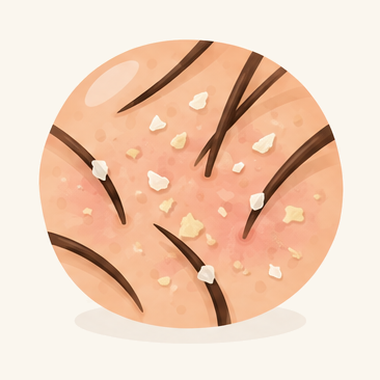
Your scalp sheds old skin cells all the time, usually too small to see. When yeast on the scalp breaks down skin oils, sensitive scalps speed up cell turnover and shed old cells in visible clumps.
- Proper name
- Pityriasis capitis
- From
- The scalp, as shed cells stick together
- In short
- Not contagious, and won’t make you bald
Which one looks like your scalp?Tap one to see what it means
See all 8 readings
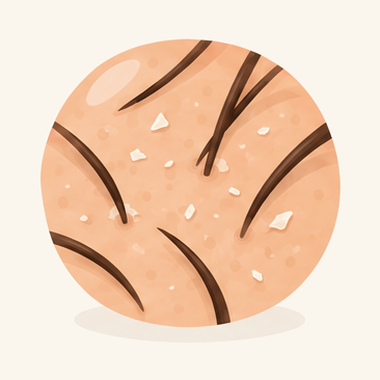
Fine, dry flakesMay just be dry scalp
In winter, dry air, or after hot showers, a dehydrated scalp can itch and shed tiny dry flakes. Dandruff comes with extra oil while dry scalp comes from lacking moisture, though the two are easy to confuse.
Switch to a gentle, unmedicated shampoo and turn down the water temperature. If that doesn’t clear it, try dandruff shampoo.
White flakesCommon dandruff
White to pale-yellow flakes in your hair and on your shoulders. Your scalp may itch, but it isn’t red. Roughly half of adults get this at some point; it’s harmless.
Use a dandruff shampoo, leave it on your scalp for 5–10 minutes before rinsing, and stick with it for 4 weeks.
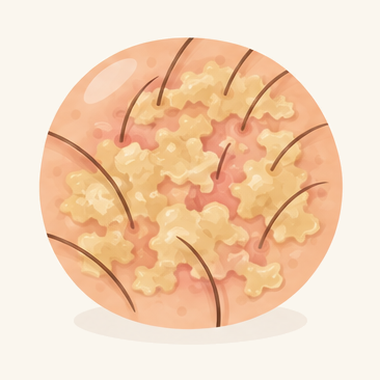
Yellow crust on a baby’s scalpCradle cap · harmless
Patches of white or yellow greasy scales forming a crust on a baby’s head. It doesn’t itch, hurt, or spread, and usually clears on its own within a few months. Hair may come away with the crust, then grows right back.
Gently rub in an emollient or baby moisturizer, brush with a soft baby brush, and wash with baby shampoo. Don’t pick the crusts, and never use adult dandruff shampoo on a baby.
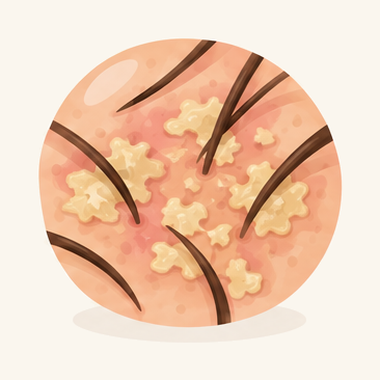
Greasy yellow flakes, red scalpPossible seborrheic dermatitis
Red scalp with oily, yellowish scales that can also show up on eyebrows, beside the nose, behind the ears, in a beard, or on the chest. Often flares in winter, under stress, or after poor sleep.
Start with dandruff shampoo. If it hasn’t improved after 4 weeks, or it spreads to your face or body, see a doctor.
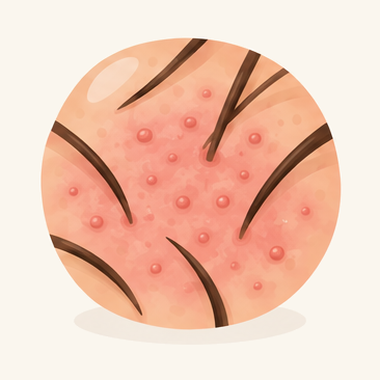
Rash after hair dyePossible contact dermatitis
A red, stinging, itchy scalp, sometimes with blisters or cracked skin, after dyeing your hair or changing shampoos or styling products. Many permanent dyes contain PPD, and a reaction can take up to 72 hours to appear.
Stop using the suspect product. Next time, patch-test dye at least 48 hours beforehand. If your lips or tongue swell or you’re struggling to breathe, call an ambulance.
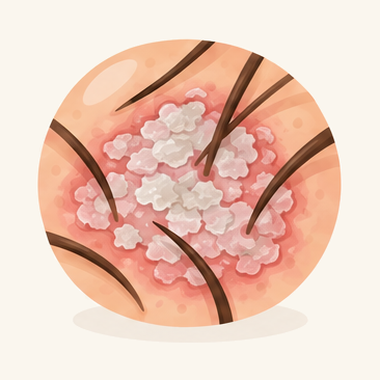
Thick, silvery-white scalesPossible psoriasis
Thick silvery-white scales over raised, sharply bordered red patches that often creep past the hairline onto the forehead, back of the neck, or around the ears; elbows or knees may have them too. Mild cases look just like dandruff.
See a dermatologist for a diagnosis. Scalp psoriasis can also cause hair shedding.
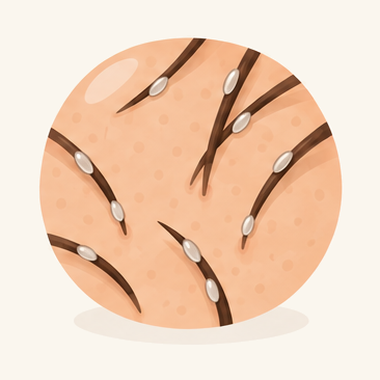
White specks stuck to hair shaftsPossible lice eggs (nits)
Tiny white or tan specks glued firmly to the hair within about a quarter inch (6 mm) of the scalp, most often behind the ears and at the nape of the neck. Easy to mistake for dandruff.
Look closely for live crawling lice, which is the surest way to tell. Head lice have nothing to do with cleanliness and mostly spread through head-to-head contact.
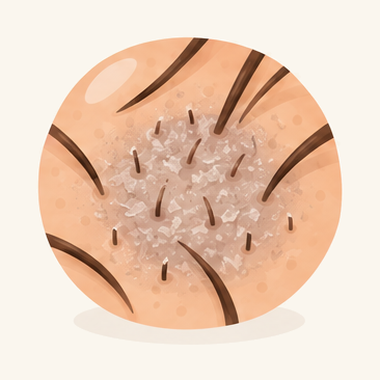
Round bald patch, broken hairsPossible scalp ringworm · see a doctor
A round, scaly, itchy bald spot with hairs snapped off right at the surface. This is a fungal infection of the scalp, more common in children than adults, and spreads via combs, towels, bedding, and pets.
See a doctor. Scalp ringworm needs 1–3 months of prescription oral antifungal medicine; creams and shampoos alone won’t clear it. Check everyone else in the household too.
Looking alone only gives you a rough guess. If your scalp is red, hair is falling out, or 4 weeks of dandruff shampoo hasn’t helped, have a doctor take a look.
When to see a doctor
- You’ve used dandruff shampoo for 4 weeks and it still isn’t better
- Your dandruff is severe, or your scalp itches intensely
- Your scalp is red or swollen
- You also have itchy, scaly patches on your face or body
- Your hair is falling out in patches, leaving bald spots or broken stubs
- Your scalp is sore, swollen, or oozing (it could be infected)
- A baby’s cradle cap hasn’t improved after a few weeks of care, spreads all over the body, bleeds or oozes, or looks swollen
- Flaking came on suddenly, covers a wide area, or resists everything you try
Call an ambulance (911 in the US and Canada, 999 in the UK, 112 in the EU): your lips, mouth, throat, or tongue suddenly swell after dyeing your hair; you’re breathing fast or struggling for air; your throat feels tight or you can’t swallow; your skin or lips turn blue or pale; or you feel suddenly confused or dizzy.
Scalp ringworm is contagious: it requires 1–3 months of oral antifungal medication, and creams won’t cure it. Once a child is diagnosed, other household members should be checked too.
Always do a skin patch test at least 48 hours before using hair dye. People who have ever had a black henna tattoo face a higher risk of reacting to hair dye.
How it’s made
- ConstantYour scalp sheds old cellsNew skin cells continually push upward, and the oldest outer cells flake off one by one, too tiny to notice.
- Everyone has itMalassezia yeast feeds on oilThis yeast lives naturally on every adult scalp and thrives on sebum. Like faces prone to acne, the scalp is packed with oil glands: more oil means more fuel.
- BreakdownIrritating fatty acids are left behindThe yeast breaks sebum down into oleic acid and related fatty acids. When researchers dabbed oleic acid onto scalps, people without dandruff had no reaction; people prone to dandruff started flaking.
- Sensitive scalpsCells shed in visible clumpsSkin turnover speeds up so cells don’t separate cleanly before shedding. They stick together into visible flakes: dandruff.
How common is it? About half of adults get dandruff at some point. It usually starts around puberty, peaks near age 20, tapers off after age 50, and affects men more often than women. In population surveys, prevalence runs roughly 30%–42% among Chinese adults and up to 66%–82% in White populations.
Is dandruff the same as seborrheic dermatitis? Dermatologists still debate exactly how they overlap, though most view dandruff as the mildest end of seborrheic dermatitis. The practical difference is redness: seborrheic dermatitis inflames and reddens the skin, while plain dandruff doesn’t.
What’s in it
- Clumped skin cells (corneocytes)
Normally they shed one by one; in dandruff they stay glued in flakes. One study measured cells washed off per square centimeter jumping from about 487,000 to 800,000. - Skin oil (sebum)
Under an electron microscope, tangled clumps of lipids sit wedged between the shed cells, mostly from sebum. - Malassezia yeast
A normal resident on everyone’s scalp, not an outside infection.
The darker your hair and clothes, the more those pale clumps stand out, which is why flakes on your shoulders are the first thing you notice.
Three common myths
Dandruff = dirty hair
It isn’t about hygiene. Washing too rarely just lets loose flakes build up so they’re easier to see. Washing often won’t give you dandruff either; in fact, going too long between washes lets oil pile up and feed Malassezia. If your hair is fine, straight, or oily, you may need to wash daily; if it’s coarse, curly, or coily, wash as often as your hair needs.
It doesn’t spread. Everyone already carries Malassezia, so you can’t catch dandruff from someone else. Still, tell it apart from two contagious look-alikes: head lice and scalp ringworm (which is caused by fungi, much like nail fungus).
Plain dandruff won’t make you bald. Simple dandruff and seborrheic dermatitis don’t cause permanent hair loss, and any strands pulled out by scratching grow back. A few small studies suggest severe, long-standing dandruff might slightly raise daily shedding, though the evidence is weak. If you’re losing hair in patches or seeing bald spots, think ringworm or psoriasis and see a doctor.
How to use dandruff shampoo
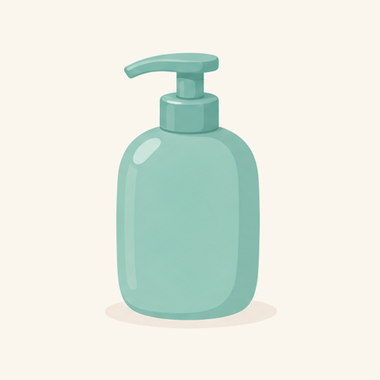 Check the active ingredientLook for pyrithione zinc, selenium sulfide, ketoconazole, salicylic acid, sulfur, or coal tar. If one stops working, switch to a different active ingredient. Coal tar can make your scalp burn more easily in the sun and may stain light, bleached, or dyed hair.
 Leave it on 5–10 minutesLather directly into your scalp and let it sit at least 5 minutes and up to 10 minutes before rinsing (or follow the bottle’s directions). Quick lather-and-rinse barely gives it time to work.
 Give it 4 weeksUse it consistently for 4 weeks to judge whether it works; once cleared, using it once a week helps keep flakes from coming back. Skip scalding-hot water, which dries out the scalp.
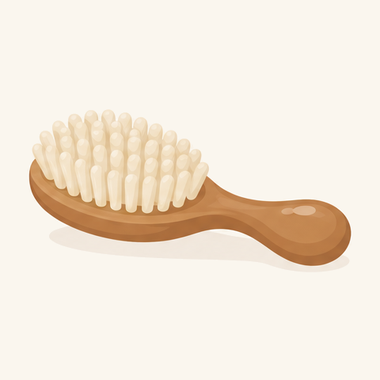 Baby cradle cap: soft brushGently massage in an emollient or baby ointment, loosen scales with a soft brush, and wash with baby shampoo. Never pick at scales or use adult or medicated dandruff shampoo.
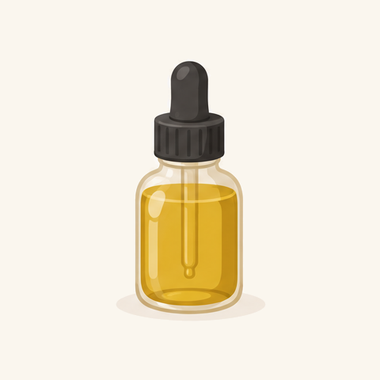 Baby cradle cap: which oilCare guides differ slightly on oils: coconut oil is fine, while peanut oil carries an allergy risk. For olive oil, some guides skip it altogether, while others suggest mineral oil or olive oil at bedtime if crusts are very thick. When unsure, ask your pediatrician.
 Don’t share combs or towelsOrdinary dandruff isn’t contagious, but scalp ringworm spreads easily through shared brushes, hats, towels, and pillowcases.
How well does it work? Pooling 51 trials on seborrheic dermatitis, 2% ketoconazole shampoo for 4 weeks lowered the risk of persistent symptoms by about 31% compared with placebo, though overall evidence quality was low, few trials lasted past 4 weeks, and nearly half had industry funding or conflicts of interest. As for home remedies, one 126-person trial found 5% tea tree oil shampoo beat placebo (41% improvement vs. 11%), but that was a formulated shampoo; never rub straight essential oil onto your scalp. Vinegar has no solid trial support and can irritate or burn skin.