 Know Thy Body
Know your earwax
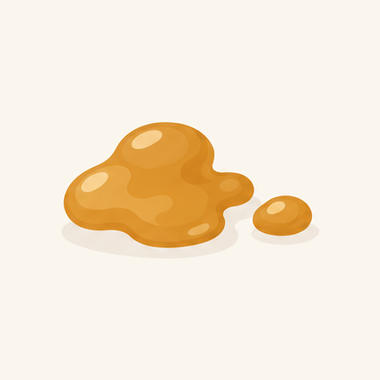
Earwax waterproofs your ear canal, keeps it from drying out and traps dust, then works its own way out. Most of the time, you don’t have to do a thing.
- Proper name
- Cerumen
- From
- The outer third of the ear canal
- In short
- Wet or dry is in your genes; mostly, leave it alone
Which one looks like yours?Tap one to see what it means
See all 7 readings
-
Yellow, soft and stickyNormal · wet type
Soft and sticky, yellow to light brown. Most people in the world have this type, including nearly everyone of European or African descent.
Leave it alone. It works its way out by itself; wiping the opening of your ear in the shower is plenty.
-
Gray-white, dry flakesNormal · dry type
Dry, in flakes or crumbs, gray-white to light tan. Most people of East Asian descent have this type. It’s set by your genes and says nothing about your health.
Leave it alone.
-
Dark brownNormal · older wax
The darker it is, the longer it has usually been in the canal, picking up dust along the way.
If it doesn’t bother you, leave it. If your ear feels blocked or sounds are muffled, try softening drops first.
-
BlackMight be blocked
Very dark, black wax is common in people whose earwax has built up for a long time and blocked the canal.
If your ear feels blocked or your hearing has dropped, try softening drops for a few days. If it’s no better after 5 days, see a doctor to have it removed.
-
GreenPossible infection
Green earwax, especially with a bad smell, may mean an ear infection.
See a doctor. Don’t put drops or anything else in your ear yourself.
-
Streaked with bloodPossible injury
Red streaks in brown wax may mean the canal has been scratched. If fluid is also coming out, the eardrum may be torn.
See a doctor, and until then don’t dig in your ear or use drops.
-
Fluid or pusThat’s not earwax
Thin fluid or pus coming out of the ear isn’t a sign of earwax buildup. It may be an infection or a problem with the eardrum.
See a doctor urgently, especially if you also have ear pain, a fever or hearing loss.
Yellow, orange, light brown, dark brown, and the gray-white of dry earwax are all healthy earwax colors. What to watch for is pain, fluid, bleeding or hearing loss.
When to see a doctor
- Your hearing drops suddenly, in one ear or both
- Your ear hurts, leaks fluid or pus, or bleeds: those aren’t symptoms of earwax buildup
- Your ear smells bad, or a fever or earache won’t go away
- Your ear feels blocked, sounds are muffled, or you have ringing or dizziness, and 5 days of softening drops haven’t helped
- Your ear is completely blocked and you can’t hear through it
- Your hearing hasn’t come back after earwax or an ear infection was treated
See a doctor urgently: sudden hearing loss. If your hearing dropped over 3 days or less at any point in the past month, UK guidelines say an ear, nose and throat (ENT) specialist or the ER should see you within 24 hours.
See a doctor urgently: ear pain with a fever, pus or bleeding.
Fluid behind the eardrum, an outer ear infection (swimmer’s ear) and sudden hearing loss can all feel like “just earwax.” If you can’t tell, the safest thing is to have a doctor take a look.
How it’s made
Cross-section of the ear canal, not to scale.
An adult’s ear canal is about an inch (2.5 cm) long. Only the outer third, the part with cartilage around it, has wax glands and oil glands; the wax glands are a specialized kind of sweat gland. What they make, mixed with dead skin cells, is earwax.
Your ear canals clean themselves. The skin lining them grows outward, a few hundredths of a millimeter to 0.2 mm a day, and every time you talk or chew, your jaw nudges old wax along. When it reaches the opening, it falls out on its own or washes away in the shower.
Fresh earwax is thin and pale; the longer it sits, the thicker and darker it gets. With age the glands shrink, and earwax gets drier.
One gene decides wet or dry
In 2006, researchers in Japan found that a single spot on one gene, ABCC11, decides whether earwax is wet or dry. You get one copy of the gene from each parent. If both copies are the A version, your earwax is dry; if even one is the G version, it’s wet.
The same gene shapes underarm sweat. People with dry earwax have almost none of the compounds that give armpit sweat its usual smell. Dry earwax is the norm in East Asia, which is why so many people there have almost no body odor.
- Korean95–100%
- Han Chinese81–90%
- Japanese69–85%
- European1–5%
- Africanabout 0%
Rough share of people with dry earwax, by ancestry. The studies were small and their numbers vary, so these are ranges.
What’s in it, and what it’s for
What’s in it
- Dead skin cells
Mostly keratin. They make up the bulk of earwax. - Fats
Fatty acids, cholesterol, squalene, ceramides and more. Wet earwax is oily (about half of it is fat); dry earwax has more protein and less fat. - A little antibacterial material
Lysozyme, defensins, antibodies and the like. Studies disagree on whether earwax holds back bacteria.
What it’s for
- Waterproofing
It lays a water-repellent film along the ear canal. - Moisturizing
It keeps the skin of the canal from getting dry and itchy. - Trapping dust and tiny bugs
It stops them near the entrance, then carries them out with the wax.
Should you clean your ears?
The guideline from the American Academy of Otolaryngology–Head and Neck Surgery is blunt: if earwax isn’t causing symptoms or blocking the canal, leave it alone. Cleaning too often can irritate the canal, cause infections and even make a blockage more likely.
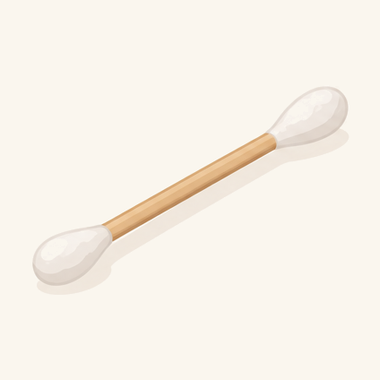 Cotton swabsCotton swabs, bobby pins, toothpicks: anything you put in your ear canal pushes wax deeper, and it can scratch the canal or puncture the eardrum. The wax at the opening washes off in the shower anyway.
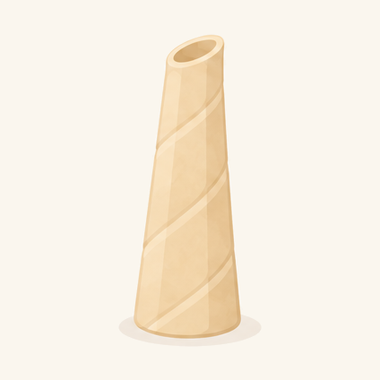 Ear candlesThe guideline recommends against ear candling, whether to remove earwax or to prevent buildup. There’s no evidence it works.
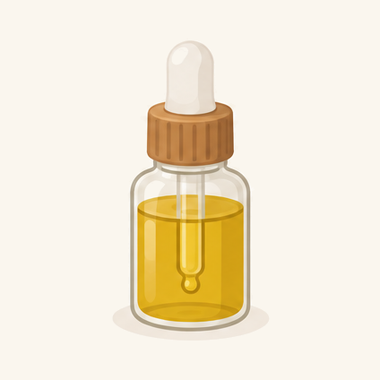 Softening dropsIf your ear does feel blocked, drops can soften the wax so it comes out on its own. Use earwax drops from the drugstore (carbamide peroxide, sold as Debrox and other brands) as the label says, or put 3 drops of mineral oil in the ear at bedtime for 3 or 4 nights. US guidance advises against olive oil drops, though the UK’s NHS still suggests them. Don’t use any drops if you have a hole in your eardrum, ear tubes or an ear infection, or have had ear surgery, unless your ENT says they’re OK.
Earwax blocks the ear canal in about 1 in 10 children and 1 in 20 adults, and in more than a third of older adults and of people with intellectual disabilities. Hearing aids make blockages more likely, so if you wear them, have a doctor check your ear canals regularly.