 Know Thy Body
Field guide/Organs · Digestive system
Know your stomach
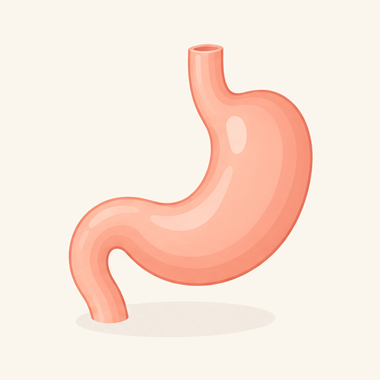
Your stomach is a moving, stretchy pouch of muscle. It mixes chewed food with strong acid and digestive enzymes, churns it into a smooth paste, and meters it out bit by bit into the small intestine.
- Proper name
- Stomach Gaster
- Where
- Upper left belly
- Shape
- J-shaped pouch
- Emptying
- About 90% leaves in roughly 4 hours
Where it sits and what’s nearby
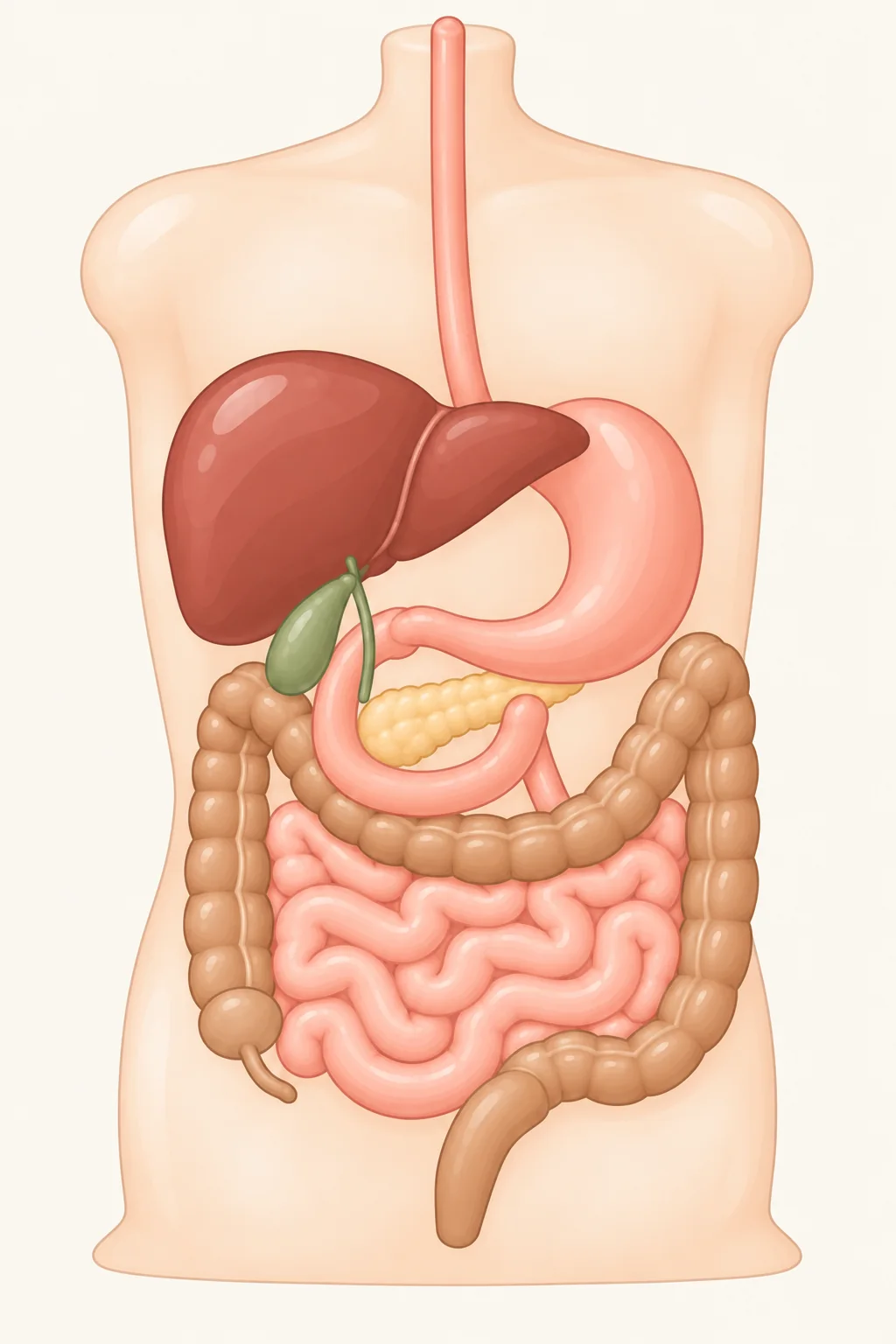
bladderDuodenumRectumEsophagusBody’s rightBody’s left
Lit in terracotta: the J-shaped stomach tucked under the left ribs, meeting the esophagus above and small intestine below. Tap any organ to view its page.
Your stomach sits high in the upper left belly, mostly tucked under your left lower ribs. Its top doorway meets the esophagus, and its lower exit opens through a muscular ring (the pyloric sphincter) into the duodenum—the first stretch of the small intestine.
The liver arches over it from the right, and directly behind the back wall lies the pancreas.
What it does
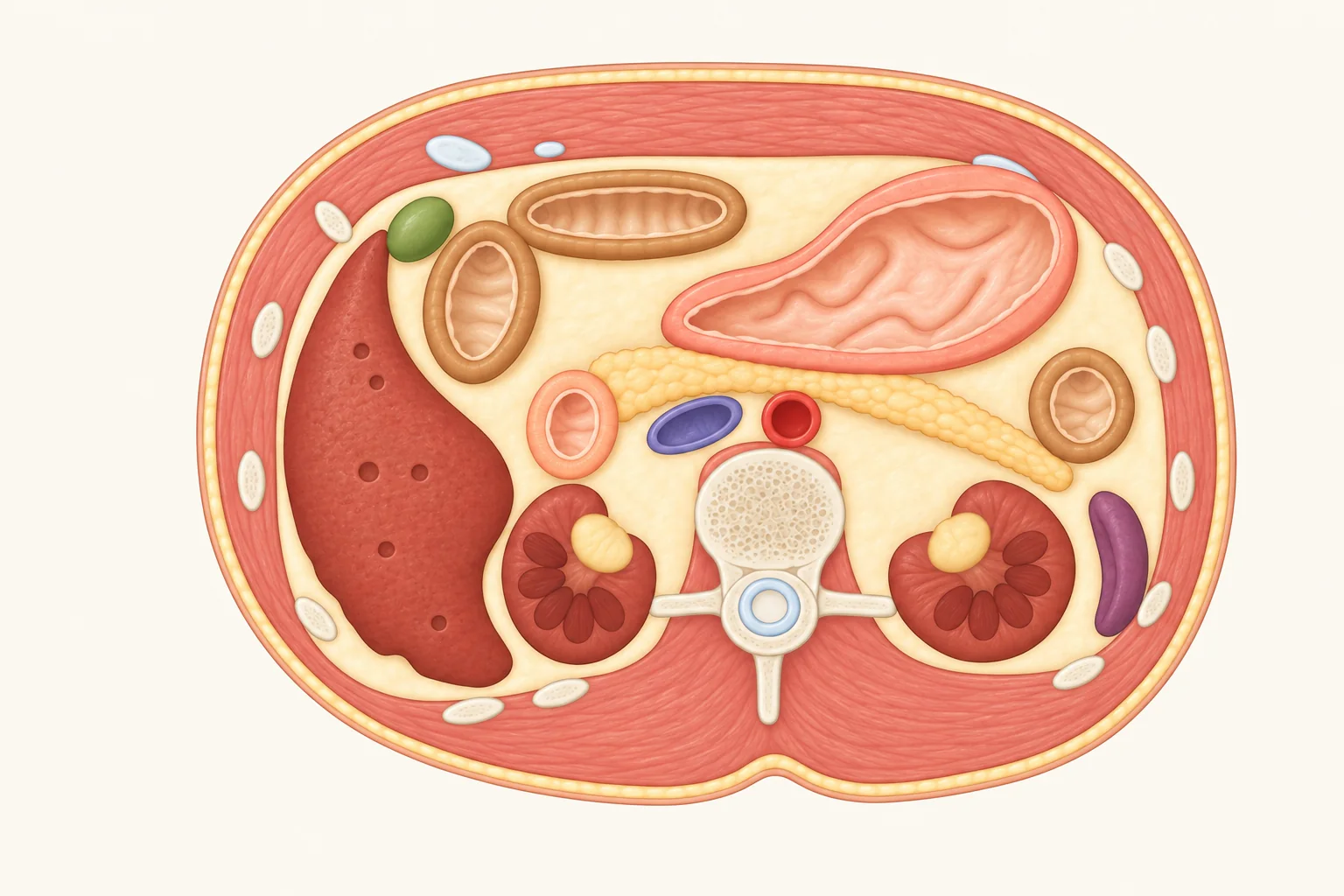
- Store and expand for a mealAn empty stomach collapses inward into deep folds. As food arrives, smooth muscle relaxes and unfolds to hold a full meal without sharp pressure spikes.
- Mix with acid and enzymesStomach glands release hydrochloric acid and the enzyme pepsin while muscle walls knead everything into a soupy paste called chyme. That acid also kills most bacteria swallowed in food, while a thick coat of mucus and bicarbonate keeps the stomach from digesting its own walls.
- Meter it slowly into the small intestineThe exit valve opens just enough to squirt small batches into the small intestine so digestion and absorption aren’t overwhelmed. Liquids pass fastest; about 90% of a typical mixed meal empties in roughly 4 hours (fatty meals linger longer).
Clues it leaves behind
- Black, sticky, foul-smelling stoolOften points to bleeding higher up in the stomach or duodenum—such as a bleeding ulcer. Iron supplements and bismuth medicines (such as Pepto-Bismol) also turn stool black, and bismuth can turn your tongue dark too. Black tarry stool without those supplements or meds needs urgent emergency care.Match poop colors →
- Vomit like coffee grounds or bright red bloodA direct sign of upper digestive tract bleeding—stomach acid turns older blood dark and grainy, while fresh red means fast active bleeding. Go to the ER right away.Check vomit clues →
 VomitingFoodborne illness and viral stomach bugs are the most frequent culprits. Because stomach acid erodes tooth enamel, rinse with plain water after vomiting and wait before brushing; sip fluids slowly in tiny sips once your stomach settles. Vomiting nonstop for more than 2 days needs a medical visit.Care after vomiting →
Common conditions
- Gastritis and stomach ulcersWhen protective mucus thins out, stomach acid wears sores into the lining—most often driven by Helicobacter pylori infection or regular NSAID pain relievers such as ibuprofen, naproxen, or aspirin. Burning or gnawing upper belly pain between meals or at night is common; untreated ulcers can bleed.
- Acid reflux and heartburnIf the valve at the top of the stomach relaxes too easily, acid washes up into the esophagus, causing chest burning and a sour taste in the throat.
- Gastroparesis (slow emptying)Nerves or stomach muscles push meals forward sluggishly even with no blockage—seen most often with long-standing diabetes or after certain surgeries—causing early fullness, nausea, and bloating.
- Stomach cancerUncommon overall, though persistent indigestion that doesn’t respond, feeling full after tiny bites, unexplained weight loss, and unexplained anemia always warrant checking.
When to see a doctor
- Indigestion or stomach pain that doesn’t ease with over-the-counter treatment or keeps getting worse
- Feeling full right away, losing appetite, or losing weight without trying
- A lump you can feel in your upper belly
- Feeling tired and worn down all the time
- Symptoms lasting longer than 3 weeks without clearing
See a doctor urgently: vomiting for more than 2 days or unable to keep fluids down; new trouble swallowing, or feeling like food catches in your throat or chest (see esophagus).
Go to the ER now: bloody stool, or black, sticky, foul-smelling tarry stool; vomiting bright red blood or material like coffee grounds; sudden severe belly pain that hurts to touch. Don’t drive yourself—have someone take you or call an ambulance (911 in the US and Canada, 999 in the UK, 112 in the EU).
Most of these symptoms turn out to have common, treatable causes, yet every one of them is worth getting checked properly.