 Know Thy Body
Know your pee

A little lighter or darker than usual usually comes down to one simple question: have you had enough water today?
- Proper name
- Urine Urina
- From
- The kidneys, about 1–2 quarts (1–2 liters) a day
- In short
- Light or dark mostly tracks how hydrated you are
Which shade is closest?Tap one to see what it means
See all 7 readings
-
ClearMay be drinking too much
Like water, with almost no yellow tint. You’re drinking more than your body needs and flushing out the extra.
No need to keep forcing water. Drinking a huge amount in a short time can dilute blood sodium and cause headaches, nausea, or confusion.
-
Very pale yellowWell hydrated
A faint hint of lemon yellow, showing you’re well hydrated.
Keep doing what you’re doing.
-
Straw yellowNormal
Like pale straw or weak lemonade: the classic healthy urine color.
Keep it up. First morning pee is often a bit darker, which is normal.
-
YellowNormal, a bit concentrated
Clearly yellow, though still transparent. Still normal, just a sign your fluids are running slightly low.
Have a glass of water. If you just took B vitamins, bright neon yellow comes from the vitamins, not dehydration.
-
Dark yellowMildly dehydrated
Deeper yellow with a stronger smell as your kidneys hold onto water. Common after exercise, heavy sweating, or hot weather.
Drink some water and check again in an hour or two; it should lighten up.
-
AmberDehydrated
Honey- or amber-colored pee usually means your body is dehydrated.
Drink water now. If you’re also peeing very little or feel dizzy, see a doctor urgently.
-
Dark amber to brownVery dehydrated, or something else
Very dark, close to tea or cola. It can be severe dehydration, or a sign of liver disease, kidney disease, or muscle breakdown.
Start drinking water. If it stays dark after rehydrating, or you have yellowing skin or eyes or severe muscle pain after hard exercise, see a doctor.
Checking in a clear cup against a white background is most accurate, since toilet water dilutes the shade. Screen colors vary, so use this as a rough guide only.
When to see a doctor
- Blood in your pee: pink, red, or dark brown, even just a drop, just once, or if you aren’t sure it’s blood
- Persistent foamy pee along with swelling in your ankles, feet, or hands
- An unusual color that lasts several days with no food or medicine to explain it
- Blood in your pee
- UTI symptoms with a fever or low temperature, chills and shivering, or pain in your lower belly or back just under the ribs
- Painful peeing or constant urge that worsens quickly, or doesn’t improve after 2 days of self-care
- UTI symptoms in a man, someone who is pregnant, anyone over 65 or under 15, or anyone with diabetes, a weakened immune system, or a urinary catheter
- Two UTIs in 6 months, or 3 in a year
- Very dark pee and very little output along with dizziness when standing that won’t go away
- Yellowing skin or whites of your eyes
- Not peeing at all for a full day
Go to the ER now: suddenly unable to pee at all with a painful, swollen lower belly; or UTI symptoms with confusion, extreme drowsiness, or slurred speech. Don’t drive yourself: have someone take you, or call an ambulance (911 in the US and Canada, 999 in the UK, 112 in the EU).
Blood in your pee isn’t always serious (common causes include a UTI or kidney stones), but a doctor always needs to check it.
How it’s made
- ~150–190 qt/dayThe kidneys filter fluid from your bloodBlood pumped by the heart flows through blood vessels into the kidneys, where roughly a million tiny filters (nephrons) in each kidney strain out water and small dissolved molecules, about 150–190 quarts (140–180 liters) a day.
- Almost allWater is reabsorbedNearly all of that filtered water is pulled back into your bloodstream, leaving only extra water and waste behind.
- 1–2 qt/dayIt becomes peeThe leftover fluid and waste trickle down the ureters into the bladder, about 1–2 quarts (1–2 liters) a day.
- ~12–20 fl ozThe bladder holds it until you goTypical adult bladder capacity is around 12–20 fl oz (350–600 ml), varying naturally from person to person.
What’s in it
The small remainder is waste products and salts dissolved in water.
Where does the yellow come from? Worn-out red blood cells break down into bilirubin; gut bacteria use an enzyme called BilR to convert it into urobilinogen, which turns into urobilin, giving urine its yellow hue. That’s the same pathway that makes poop brown.
- Urea
A byproduct of protein breakdown, making up more than half of urine’s organic solids. - Creatinine
A byproduct of muscle turnover that doctors commonly measure to check kidney function. - Sodium, potassium, and other salts
Mostly from what you eat and drink; saltier meals put more sodium in your pee. - Uric acid and other trace wastes
Small amounts of uric acid, phosphorus, and related compounds.
How often is normal?
4–8 times a day
0–1 time at night
Most adults pee about 6–7 times a day, though the normal range is wide: a median of about 6 times in 24 hours, anywhere from 2 to 11 times. Waking up once at night is common and becomes more frequent with age; for people over 80, waking up 3 times a night can still be normal. Drinking more, or having coffee or alcohol, naturally adds trips.
When it isn’t yellow
- Pink or redBeets, blackberries, rhubarb, and food dyes can tint pee red. Without those, pink or red could be blood: see a doctor, even if it happens only once.
- OrangeOften dehydration, or lots of carrots, vitamin C, or certain medicines (like rifampin or phenazopyridine, sold as Azo). Persistent orange pee with no clear reason can point to the liver or bile ducts.
- Blue or greenUsually food dyes or medications (such as methylene blue, propofol, or cimetidine). Rarely, certain bacteria causing a UTI.
- Bright neon yellowB-complex vitamins: excess vitamin B2 (riboflavin) washes out in your urine and makes it glow bright yellow. Harmless.
- CloudyOccasional cloudiness can come from mild dehydration or food. Cloudy every time for several days, or with painful peeing or a fever, may be a UTI.
- Foamy or bubblyA fast stream hitting the toilet water makes bubbles that vanish quickly, which is normal. Thick foam that lingers after flushing, especially with swollen ankles or hands, means you should get your kidneys checked.
- Clear like waterUsually just means lots of fluids. Drinking large amounts very quickly can dilute blood sodium to dangerous levels.
Things that change your pee
- WaterThe more you drink, the paler it gets. Pale yellow is plenty; you don’t need it completely clear.
 BeetsIn about 1 in 10 people, eating beets turns pee pink or red (“beeturia”). Completely harmless.
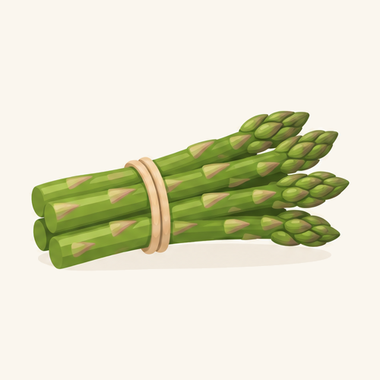 AsparagusGives urine a distinct smell, though in one large study about 60% of people said they couldn’t smell it, likely due to smell-receptor genes.
 B vitaminsTurns pee bright neon yellow as excess vitamin B2 leaves the body.
 CarrotsEating lots of carrots can give urine an orange tint.
 CoffeeFor regular coffee drinkers, moderate daily coffee hydrates about as well as water and doesn’t dehydrate you.
Which organ is it telling you about?
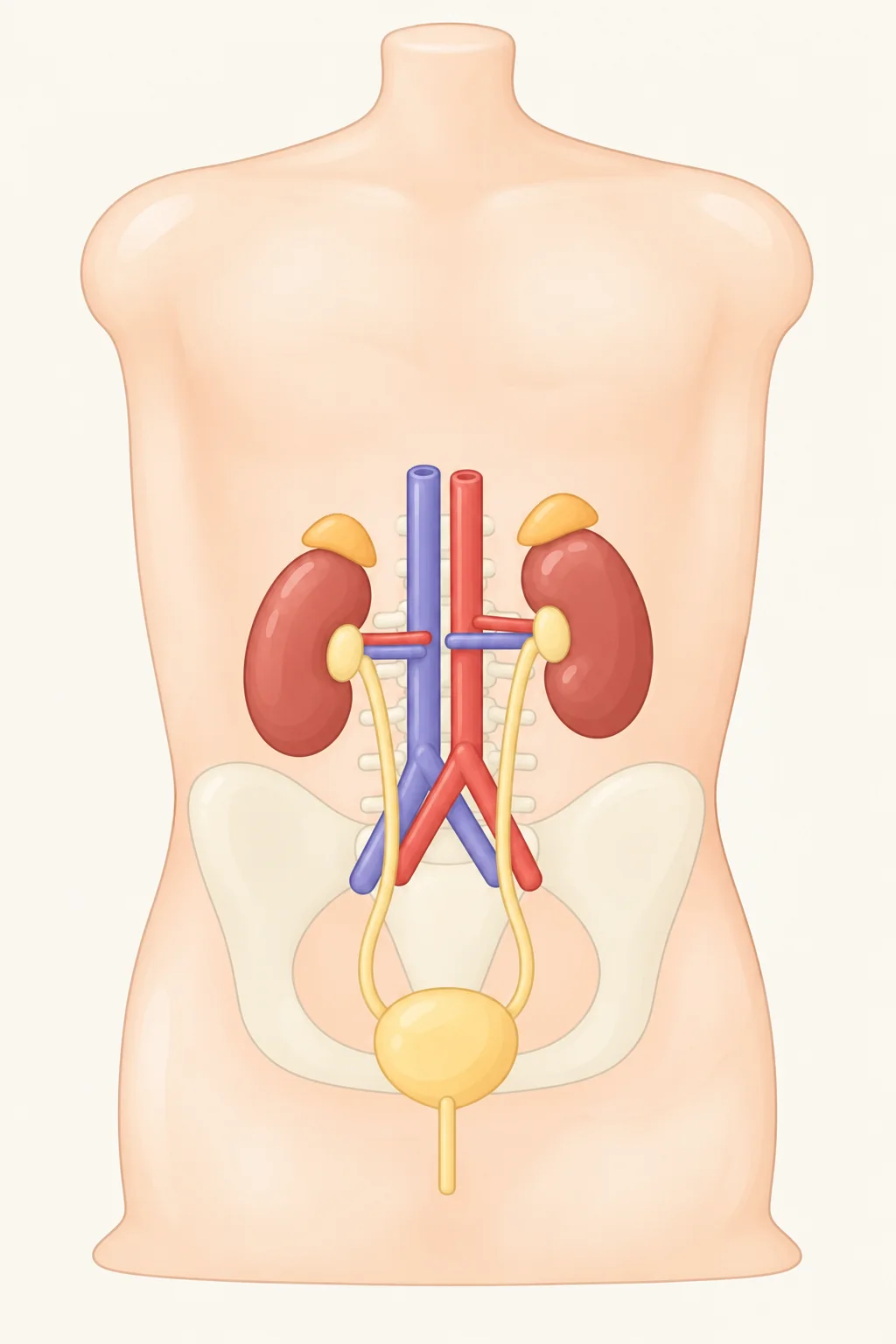
Pee is made in the kidneys, travels down the ureters into the bladder, and leaves through the urethra. Shade, foam, blood, pain, and frequency each point to a different spot along the route. Tap one, or keep reading, to light up the organs behind it.
- Light or dark shade
Your kidneys balance water: when you have enough, they release more and pee is pale; when you’re low, they hold water back and pee turns dark. Shade mostly shows whether your kidneys are saving or releasing water.
Related organ: kidneys
- Foam that won’t go away
Kidney filters normally keep protein in the blood. If protein leaks into urine, foam builds up and doesn’t clear easily, sometimes alongside swollen ankles or puffy eyes. Bubbles from a strong stream that vanish quickly are normal. If persistent foam lasts days, worsens, or comes with swelling, get your kidneys checked.
Related organ: kidneys
- Blood in your pee
Blood can come from anywhere along the tract: kidneys, ureters, bladder, or urethra. Common causes include infections and kidney stones, though painless blood that comes and goes is also the main warning sign of bladder cancer, especially if you smoke. Even one episode or a small trace needs a doctor check urgently.
- Pain, urgency, or cloudy pee
Usually a bladder infection (cystitis): gut bacteria enter the urethra and reach the bladder. Women get them more often because their urethra is shorter and closer to the anus. Men, pregnant people, anyone over 65 or under 15, and people with diabetes or weak immunity should see a doctor promptly at the first sign.
Related organs: bladder and urethra
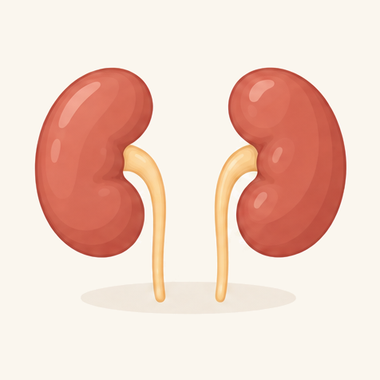 Fever and pain in your upper back
When bladder bacteria travel up the ureters to the kidneys, that’s a kidney infection: fever, chills, shaking, back or flank pain under the ribs, nausea, or even vomiting. See a doctor the same day; if confusion or extreme drowsiness sets in, go to the ER now.
Related organs: kidneys and ureters
- Waves of sharp side or back pain
Classic kidney stone pain: a stone gets stuck in a ureter, sending sharp waves of pain from your side or lower back toward the groin, often making it impossible to get comfortable and causing nausea or blood in the pee. If the pain is severe or comes with a fever, see a doctor urgently.
Related organs: kidneys and ureters
 Waking up often, weak stream, or feeling unfinished
An irritated or overactive bladder makes you go more often, day and night. In older men, an enlarged prostate is a common cause: it wraps around the urethra at the bladder’s outlet and squeezes it, weakening or stopping the flow. If you suddenly can’t pee at all and your lower belly hurts, go to the ER now.
Related organ: bladder
- Dark pee with yellowing skin
This one starts outside the urinary tract: excess bilirubin builds up in the blood and spills into urine, turning it tea-dark. The trouble lies in the liver or bile ducts, and poop may turn pale at the same time. If your skin or the whites of your eyes look yellow, contact a doctor the same day.
Related organs: liver, gallbladder